 shaanxishoulv@gmail.com
 +8617392350431

 English
 English
 русский
 Français
 Português
 Español
 اللغة العربية


Please enter the product model: Blog
Tension Plate vs. Tie-Rod Aluminum Formwork: Which Is Better for Modern High-Rise Construction?
Tension Plate vs. Tie-Rod Aluminum Formwork: Which Is Better for Modern High-Rise Construction?
 Click:1321Edit: Shoulv Formwork
 Time:2025-12-31 13:13:06
In the competitive world of concrete forming, efficiency and precision are paramount. While both Tension Plate (Pull-tab) and Tie-Rod systems are widely used in aluminum formwork, the industry is shifting toward high-strength alloy solutions. This guide compares their technical performance, labor efficiency, and finish quality to help you decide.
Key Stat: Projects using Shoulv’s high-strength alloy tension plates report a 25% reduction in man-hours during the stripping and assembly phases.
If your project prioritizes speed, waterproofing, and a plaster-free finish, the Tension Plate Aluminum Formwork is the superior investment. While the initial setup requires precision, the long-term ROI through labor savings and material durability is unmatched.
Download our Technical Catalog for High-Strength Alloy Systems.
| Feature | Tension Plate System (Our Patented Tech) | Minimal components; easy to clean and store. |
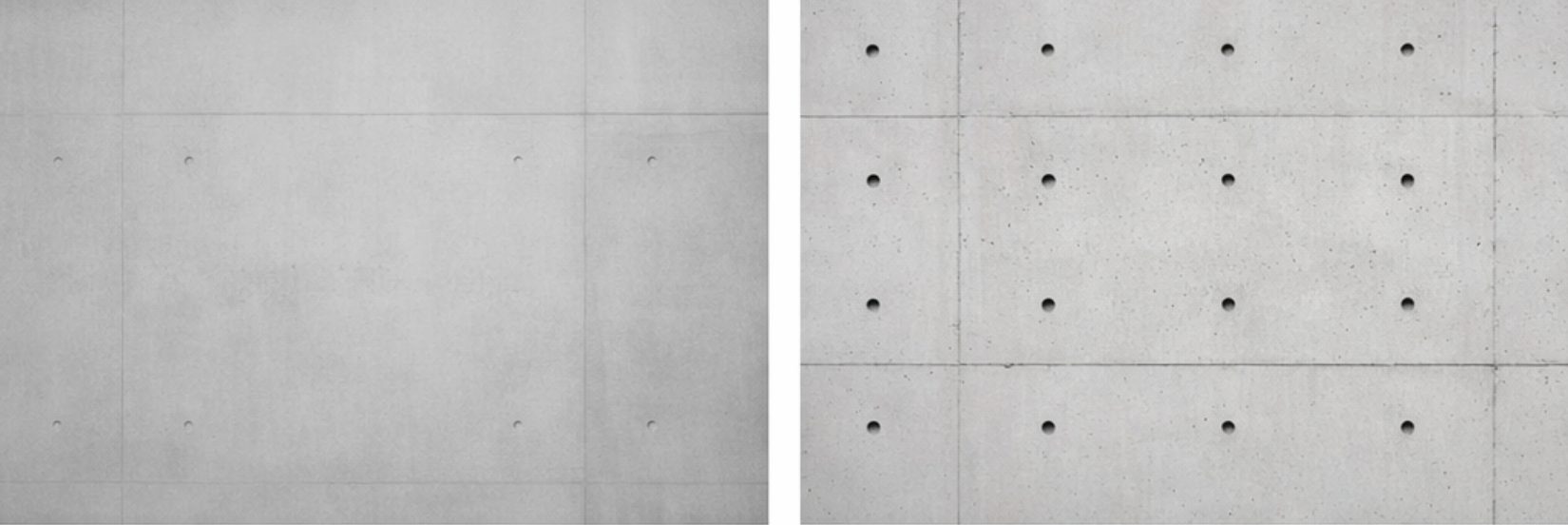
| Hole Filling | No wall holes left behind; high waterproof performance. | Requires patching thousands of tie-rod holes. |
| Installation Speed | 30% faster; simple pin and wedge connection. | Slower; requires manual tightening of nuts/sleeves. |
| Concrete Finish | Seamless, "mirror-like"" surface; no plastering needed. | Risk of leaking slurry at hole sites; uneven finish. |
| Safety | High-strength alloy prevents deformation under pressure. | Potential for rod snapping or nut loosening. |
| Maintenance | Minimal components; easy to clean and store. | High loss rate of small parts (nuts, PVC sleeves). |
1. Why the Tension Plate System Wins on Labor Costs
In the US and Europe, labor costs can account for over 50% of the project budget. The Tension Plate system eliminates the tedious process of installing and removing PVC sleeves and tie-rods.Key Stat: Projects using Shoulv’s high-strength alloy tension plates report a 25% reduction in man-hours during the stripping and assembly phases.
2. Structural Integrity & Waterproofing
For residential towers, water seepage is a major liability. Tie-rod holes, if not plugged perfectly, are primary paths for leaks. Our Patented High-Strength Alloy Formwork utilizes thin, high-tensile plates that fit between panel joints, leaving zero holes through the concrete wall. This is a game-changer for underground basements and high-end residential projects.3. Durability of High-Strength Alloy
Unlike standard 6061-T6 aluminum, our proprietary alloy (developed by Chairman Li Zhongwei’s team) offers superior rigidity. This means fewer panels buckle under the lateral pressure of fresh concrete, ensuring the verticality and flatness (within ±3mm) required by strict Eurocode and ASTM standards.If your project prioritizes speed, waterproofing, and a plaster-free finish, the Tension Plate Aluminum Formwork is the superior investment. While the initial setup requires precision, the long-term ROI through labor savings and material durability is unmatched.
Download our Technical Catalog for High-Strength Alloy Systems.
- Previous article:
- Next article: Concrete Column Formwork: Precision & Strength for Vertical Structures
Categories
Hot News

Online consulting
If you have any questions, please contact our online customer service staff immediately



 Tel:+8617392350431
 Email:shaanxishoulv@gmail.com
 Adds:Wulang Industrial Park, Chenggu County, Hanzhong City, Shaanxi Province, 723200, P.R. China
 Home
Home WhatsApp
 Email
Email